SFOBOM
San Francisco to Mumbai
Planning notes for travelers flying from San Francisco (SFO) to Mumbai (BOM).
Explore San Francisco to Mumbai

A comfortable connection depends on the transfer steps, ticket arrangement, and people making the journey. Work through those details before choosing the shortest layover.
Airports · 4 min read
By the Travenomics Editorial Team · AI-assisted · Published · Content updated
Quick answer
There is no universal safe layover. Confirm the airline’s connection requirements for your exact itinerary, then allow room for terminal transfers, screening, baggage collection, and your own pace. Separate-ticket connections need a separate arrival-and-departure plan.
| Check | What to compare | Why it matters |
|---|---|---|
| Single-ticket transfer | Airline connection requirements and airport steps | A valid itinerary can still feel rushed |
| Self-transfer | Arrival procedures plus a new check-in | More tasks and separate booking conditions |
| Overnight layover | Terminal access, accommodation, and entry eligibility | A hotel may require leaving the secure area |
A comfortable connection depends on the transfer steps, ticket arrangement, and people making the journey. Work through those details before choosing the shortest layover. This guide explains how to think about the decision. Airline rules, schedules, and government requirements change, so confirm specifics with the airline or the relevant official source before you book.
Two flights in one shopping cart do not necessarily mean one through ticket. Ask the seller whether this is a single-ticket connection or a self-transfer, and who handles a missed onward flight. Save that answer with your confirmation. A low fare loses its appeal quickly if you discover at the airport that you must buy a replacement ticket yourself.
Write down the arrival airport, departure airport, terminals, and each required step between them. Staying airside means remaining within the secure area, but it does not always mean avoiding screening. Heathrow, for example, says connecting passengers pass through security. Use the connecting airport’s own instructions for your flight combination instead of applying advice from a different hub.
The scheduled departure time is not the deadline to reach the gate. Check boarding closure and, where relevant, check-in and bag-drop cutoffs. Leave time to get off the first aircraft before starting your transfer. A layover displayed as two hours is not two hours of free time: walking, queues, and boarding all use part of it.
Heathrow instructs separate-ticket passengers to clear immigration, collect baggage, and check in again. Other airports have their own procedures. Confirm entry and transit requirements with official government sources for your passport and itinerary. Carry-on-only travel may remove a baggage step, but it does not automatically remove document checks, check-in deadlines, or the consequences of a delayed first flight.
Compare how the connection would feel with a tired child, a stroller, or assistance needs. Make room for a meal, a bathroom stop, and an unfamiliar terminal. For a hypothetical choice between a short transfer with several tasks and a longer transfer in the same airport, list the tasks first. The longer option may be the more practical choice even when both are offered for sale.
Save the booking provider’s contact details and the airline’s app before departure. Ask what support applies to your ticket and whether later onward services exist that day. A missed last departure can turn a modest delay into an overnight stay. If disruption occurs, contact the airline or seller promptly rather than assuming a new flight, meals, or a hotel will be provided automatically.
Check these official resources for current requirements and arrangements. Confirm the conditions for your own itinerary before booking. Any labeled cost examples are illustrative, not live quotes.
Planning notes for travelers flying from San Francisco (SFO) to Mumbai (BOM).
Explore San Francisco to MumbaiPlanning notes for travelers flying from Los Angeles (LAX) to Mumbai (BOM).
Explore Los Angeles to MumbaiPlanning notes for travelers flying from Dallas (DFW) to Delhi (DEL).
Explore Dallas to DelhiPlanning notes for travelers flying from Chicago (ORD) to Mumbai (BOM).
Explore Chicago to Mumbai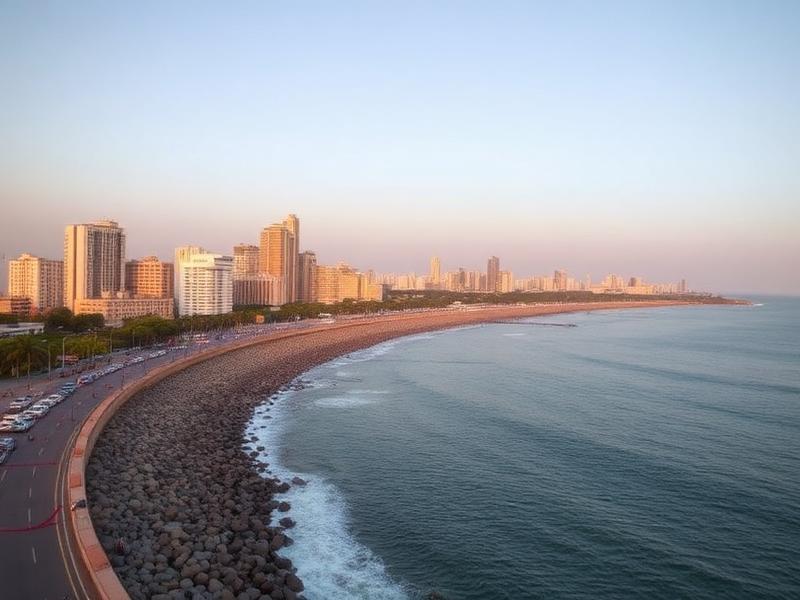
India
India's coastal financial capital, and a common first stop for U.S. travelers.
Explore Mumbai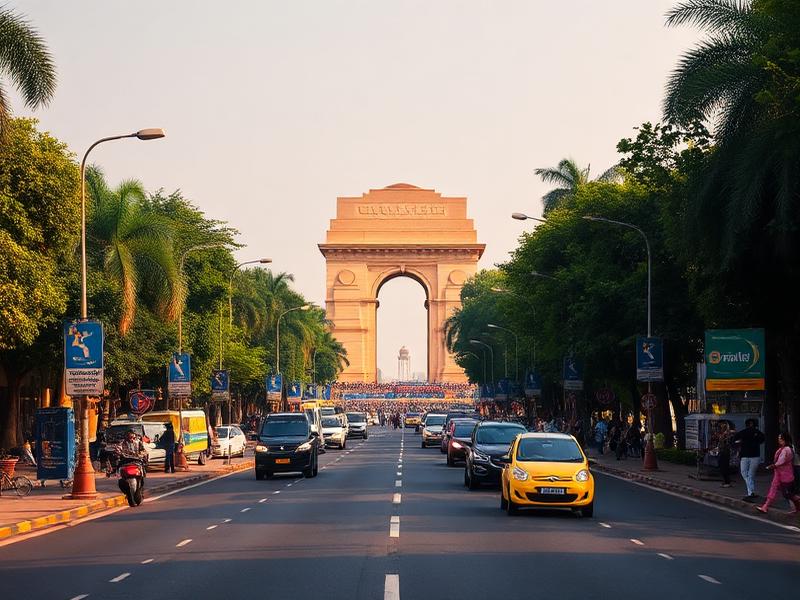
Airports
Compare major U.S. departure airports for India travel by total journey time, connections, ground travel, and itinerary quality rather than airfare alone.
Baggage
Compare the bags your family will actually take, in both directions, before deciding which international fare costs less.
Planning
Compare nonstop and one-stop India itineraries using total travel time, connection risk, baggage rules, fare conditions, and schedule fit.